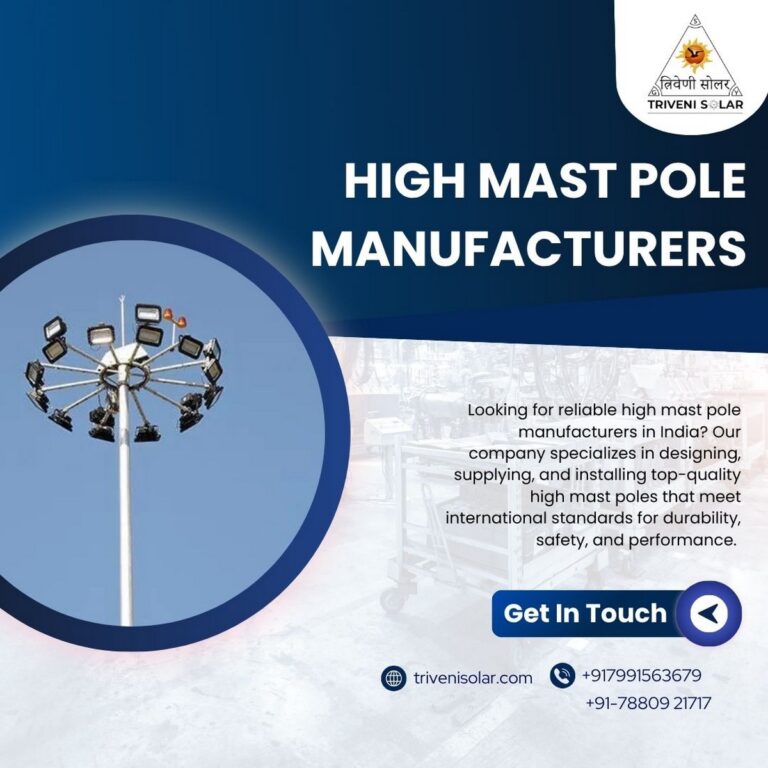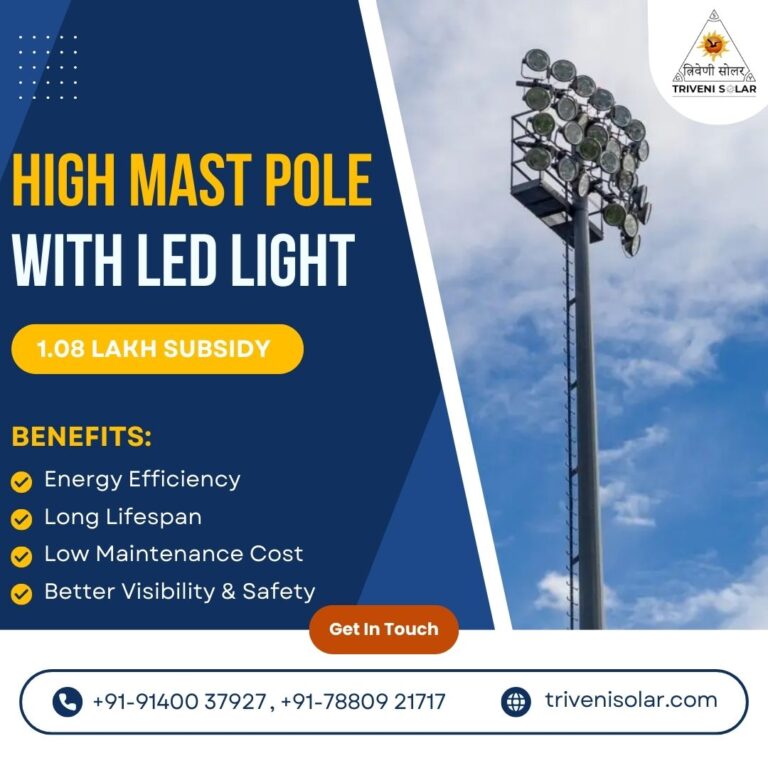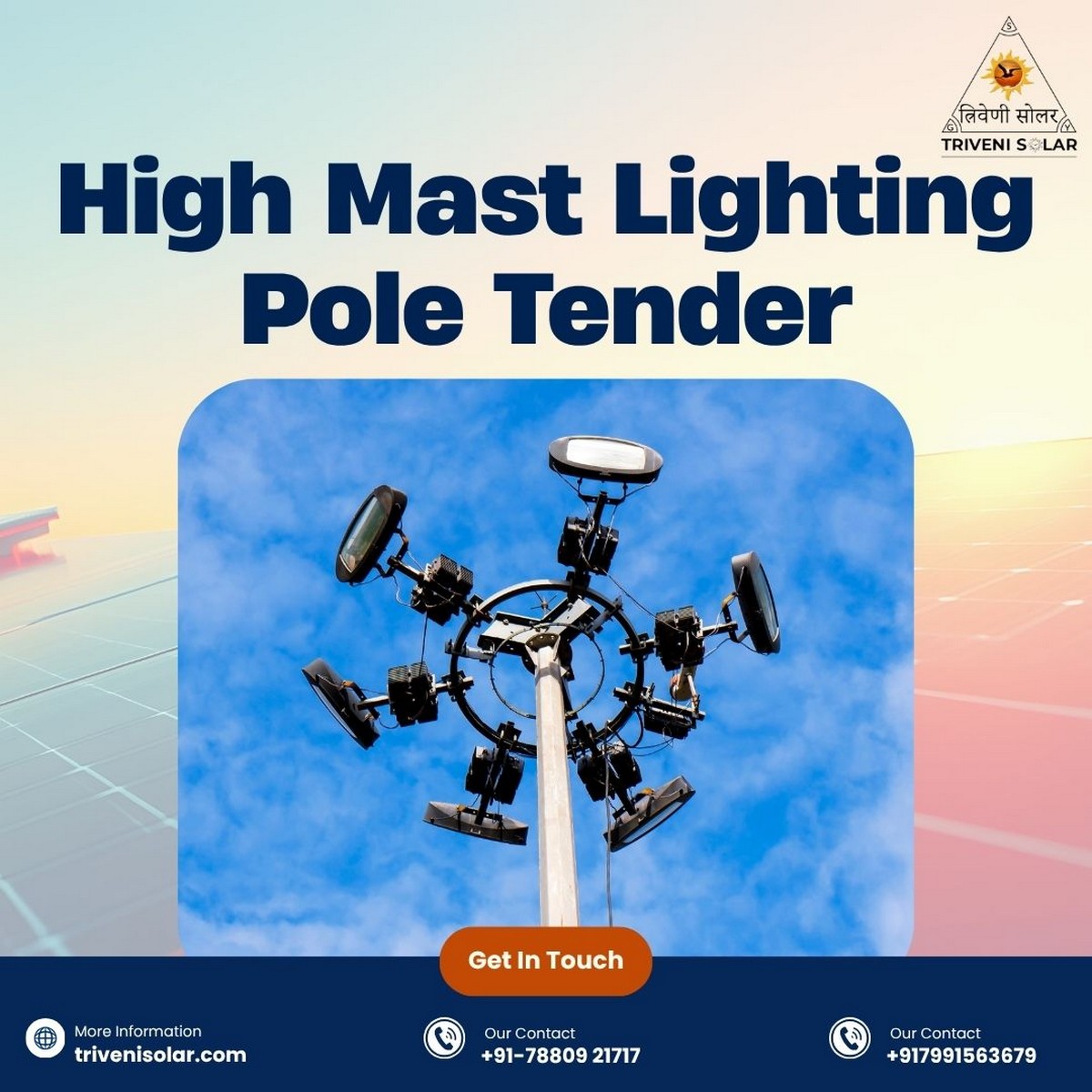
A high mast lighting pole tender is an official process for procuring high mast lighting poles for streets, highways, and public spaces. Tenders include specifications, submission guidelines, and installation requirements, often integrating modern options like solar-powered lighting.
Table of Contents
- Introduction to High Mast Lighting
- Understanding the Tender Process
- Specifications of High Mast Lighting Poles
- Installation and Maintenance Guidelines
- Case Studies and Real-Life Examples
- Conclusion and Next Steps
- FAQs
Introduction to High Mast Lighting Pole
What is High Mast Lighting?
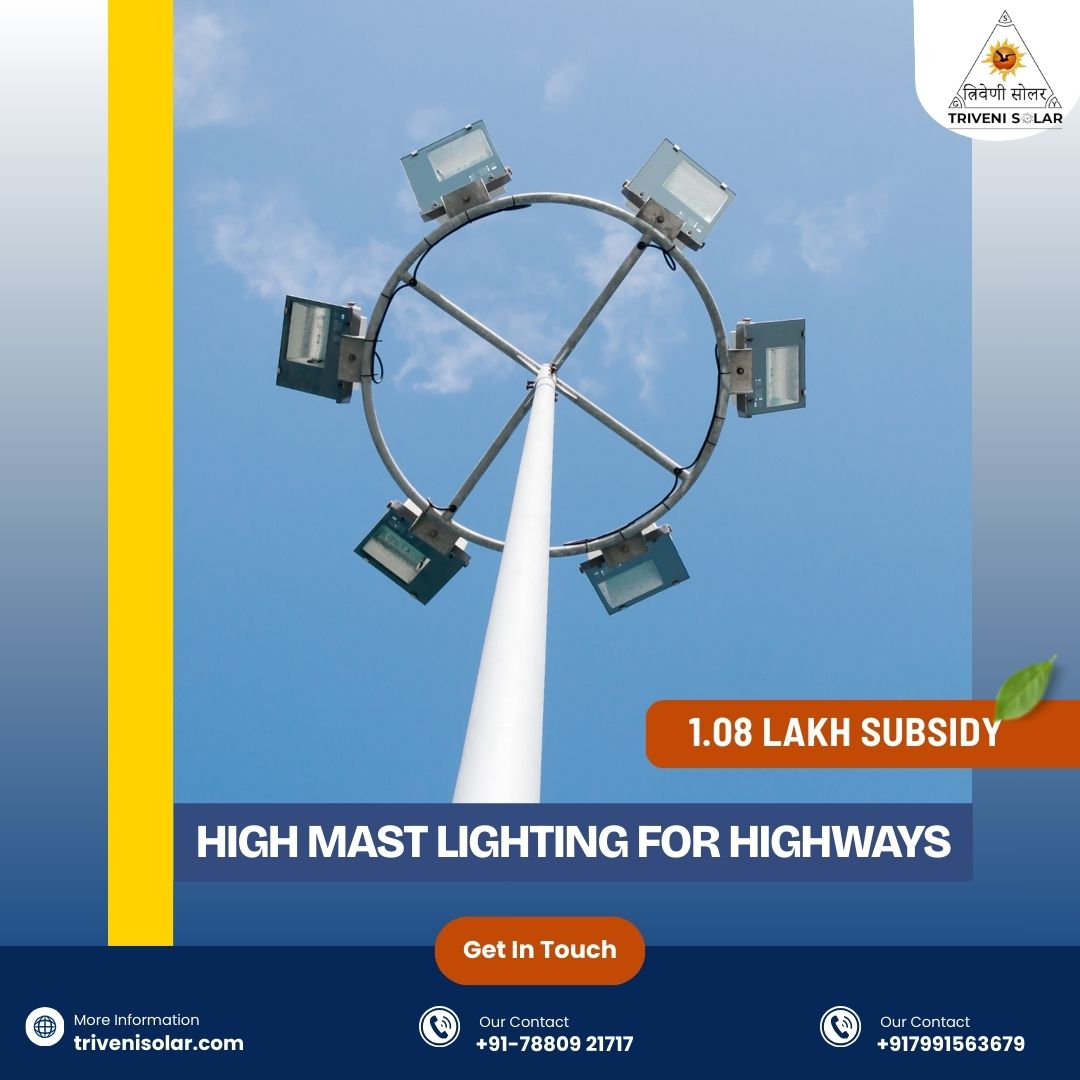
High mast lighting refers to the installation of tall poles, typically ranging from 25 to 50 meters, equipped with multiple luminaires to illuminate large areas. These lighting systems are commonly used on highways, airports, industrial complexes, and public parks to ensure safety, visibility, and aesthetics.
Benefits of High Mast Lighting Pole
- Enhanced Visibility: Covers a larger area with fewer poles, improving night-time safety.
- Energy Efficiency: Modern LED and solar options reduce electricity consumption.
- Aesthetic Appeal: Sleek designs enhance cityscapes and public infrastructure.
Understanding the High Mast Lighting Pole Tender Process
How to Apply for a High Mast Lighting Pole Tender
Participating in a high mast lighting pole tender requires careful planning and compliance. Here’s a step-by-step guide:
- Locate official tender announcements on government portals or municipal websites.
- Review tender specifications including pole height, luminaire type, and material requirements.
- Prepare required documents: company credentials, past projects, financial statements, and compliance certificates.
- Submit the bid before the deadline, ensuring all forms are complete and signed.
- Attend pre-bid meetings if applicable to clarify doubts and requirements.
Common Mistakes to Avoid
- Incomplete or incorrectly filled applications.
- Ignoring technical specifications such as pole material or lighting type.
- Missing tender deadlines or submission requirements.
- Failure to comply with local safety and environmental standards.
Specifications of High Mast Lighting Pole
Material and Design
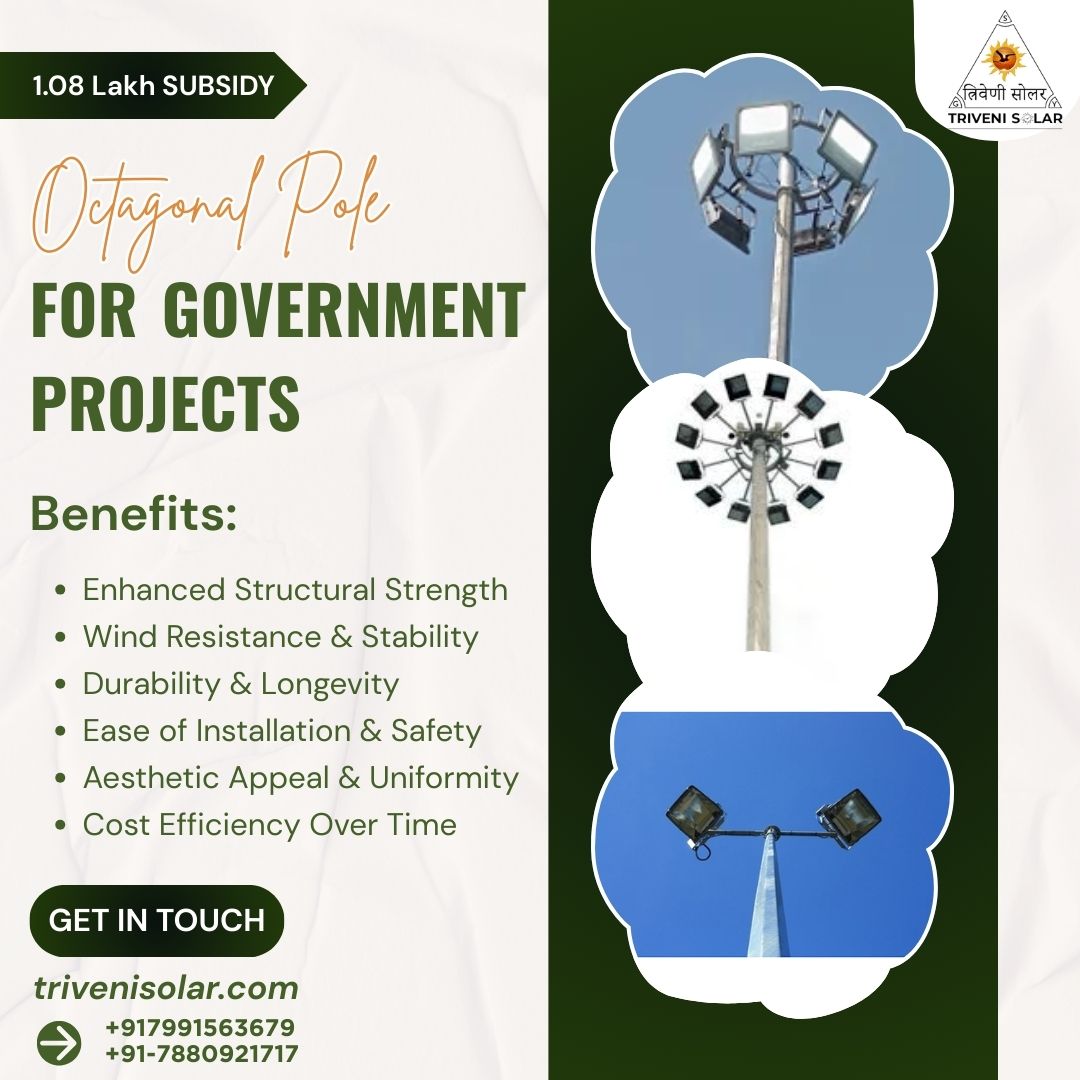
High mast poles are primarily made of steel, although aluminum options exist for lightweight applications. Key considerations include:
- Corrosion resistance with galvanization or powder coating.
- Structural strength to withstand wind speeds and seismic activity.
- Modular design for ease of maintenance and installation.
Solar vs. Traditional Lighting
Solar high mast lighting is becoming increasingly popular for sustainable infrastructure projects. Advantages include:
- Lower Operational Costs: Reduces dependency on grid electricity.
- Eco-Friendly: Minimizes carbon footprint.
- Independent Operation: Can function in remote areas without power connections.
Traditional high mast lighting remains relevant in high-traffic areas where consistent power supply is critical. Triveni Solar provides both solar and hybrid high mast lighting solutions for various projects.
High Mast Lighting Pole Installation and Maintenance Guidelines
Step-by-Step Installation Process
Proper installation ensures longevity and performance. A typical installation process includes:
- Site Assessment: Evaluate ground conditions, wind load, and lighting requirements.
- Foundation Preparation: Excavate and pour concrete foundation, ensuring level alignment.
- Pole Erection: Use cranes or hydraulic lifts to position the pole safely.
- Wiring and Connection: Connect power lines, floodlights, and control systems.
- Testing: Verify illumination coverage, light intensity, and safety compliance.
Maintenance Tips for Longevity
- Inspect poles regularly for rust, cracks, or loose bolts.
- Clean luminaires periodically to maintain brightness.
- Lubricate moving parts like tilting mechanisms.
- Replace defective bulbs, solar panels, or wiring immediately.
- Document maintenance schedules for compliance and warranty purposes.
Case Studies and Real-Life Examples
Successful Installations Across India
High mast lighting projects have been successfully implemented across urban and rural India. For example:
| Location | Type of Lighting | Impact |
|---|---|---|
| Delhi National Highway | LED High Mast Poles | Reduced accidents by 35% at night |
| Mumbai Industrial Zone | Solar Hybrid High Mast | Energy savings of 50% annually |
| Bangalore Airport | Traditional High Mast | Enhanced visibility for aircraft and vehicles |
These examples show that choosing the right type of high mast lighting pole and adhering to tender specifications can result in safer, more energy-efficient, and visually appealing infrastructure projects.
Conclusion and Next Steps
High mast lighting pole tenders are critical for developing safe and well-lit public spaces. By understanding the tender process, adhering to specifications, and investing in sustainable solutions like solar lighting, organizations can deliver projects that benefit communities and meet regulatory standards.
For expert consultation, high-quality poles, and turnkey solutions, visit Triveni Solar today and take the first step toward a safer, brighter future.
FAQs
What is a high mast lighting pole tender?
A high mast lighting pole tender is a formal bidding process where organizations or government bodies invite suppliers to provide high mast lighting poles and related services, following strict specifications and guidelines.
How do I apply for a high mast lighting pole tender?
To apply, locate official tenders, prepare all required documents, comply with technical specifications, and submit the bid before the deadline.
What are the specifications of high mast lighting poles?
Specifications include pole height, material (steel or aluminum), luminaire type (LED, solar, or traditional), foundation requirements, and compliance with safety standards.
Can I use solar lighting in high mast poles?
Yes, solar high mast lighting is an eco-friendly, cost-efficient alternative suitable for remote areas, reducing electricity costs while ensuring reliable illumination.
How do I maintain high mast lighting poles?
Regular inspection, cleaning luminaires, lubricating moving parts, and timely replacement of defective components ensure optimal performance and longevity.